⚔️ The Raid Leader’s Guide to Engineering Teams
When the Demogorgon shows up, you’d better have the right party. In Part 2 of my RPG series, I share how to balance your engineering team like a pro — from role gaps to flex builds to knowing when your party’s become a guild.
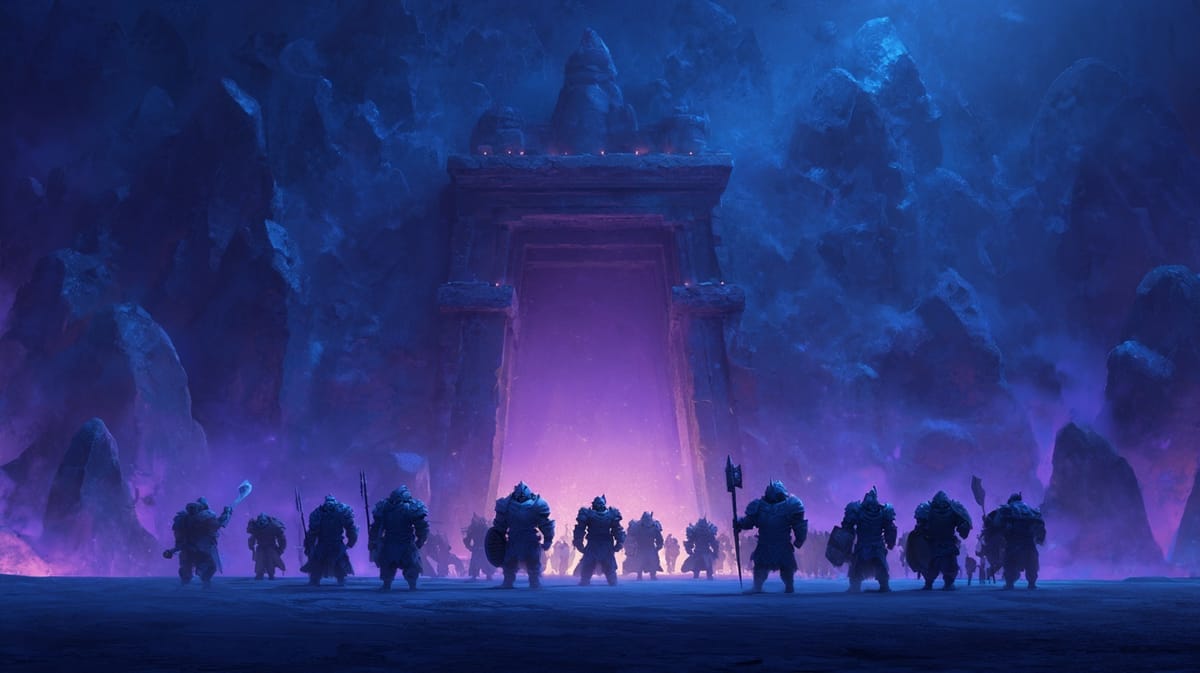
Building a Balanced Engineering Party 🎮
🧙♂️ Party Wipe: Why Balance Matters
If you’ve ever played World of Warcraft — or even watched Stranger Things — you know what happens when the party isn’t balanced.
Imagine this:
You’ve got 5 Rogues, no healer, no tank, and zero coordination. Someone yells “LEEEEROYYY JENKINS!”, pulls the boss early, and it’s a total wipe. 💀
Or flip the script:
In Stranger Things, Will has a choice — cast Protection to shield the party, or Fireball to take a risky offensive shot. He picks Fireball. It's a bold move… and they still wipe.
Why?
Because even in fantasy — team comp matters.
Now imagine that’s your engineering team.
In Part 1, I broke down the RPG “classes” I see on engineering teams — Warriors, Rogues, Mages, Healers, and more.
This post goes one step further:
✅ How to build a balanced party
✅ How to adapt to team size and company stage
✅ How to flex when you're missing roles
✅ How to spot the signs you’re headed for a party wipe
Let’s queue up.
⚔️ 1️⃣ Party Makeup for Different Team Sizes
Not every team has a full raid comp — here’s how to build with what you’ve got.
Even small teams need balance. The goal isn’t to have one of every class — it’s to cover the most essential roles without overlap or neglect.
Small team (3–4 engineers):
You won’t have every class — but you can choose complementary ones.
Example party:
- 🛡️ Warrior or 🌿 Druid → core systems & flexibility
- 🔮 Mage or 🛠️ Artificer → deep tech or tooling
- ✨ Healer or 🎵 Bard → glue and support
- 🗡️ Rogue or 🏹 Ranger → speed and exploration
Mid-sized team (5–7 engineers):
You can start balancing offense and defense.
Example party:
- 🛡️ Warrior
- 🔮 Mage
- 🌿 Druid (hybrid)
- ✨ Healer
- 🗡️ Rogue
- 🎵 Bard, ⚔️✨ Paladin, or 🛠️ Artificer (optional)
Large team (8+ engineers):
Now you’re in raid party territory.
At this size, you can balance depth and coverage. You’ve got room for specialization, redundancy, and mentoring.
Example party:
- 🛡️ 2 Warriors (infra + legacy refactoring)
- 🔮 2 Mages (frontend + backend)
- 🛠️ 1 Artificer (CI/CD, automation)
- 🌿 1 Druid (fills the gaps)
- ✨ 1 Healer (docs, onboarding, support)
- 🎵 1 Bard (culture & morale)
- ⚔️✨ 1 Paladin (quality, testing, reviews)
- ☠️ 1 Necromancer (legacy knowledge)
- 🧘♂️ 1 Monk (simplicity, code clarity)
Bonus: room to rotate roles, grow juniors, and build out specialized lanes.
🧙♀️ When a Party Becomes a Guild
Too big for one raid? Time to split the group.
If your team grows beyond 8–10 engineers, you’re not running a party — you’re running a guild.
You’ll need:
- Squads (mini-parties) with ownership
- Multiple Raid Leaders, each leading their own encounters
- Coordination between parties, not just individuals
🛡️ Don’t try to run one giant party.
🎯 Instead, run several small ones — each balanced, aligned, and ready for their own boss fight.
🧭 2️⃣ Party Makeup for Different Company or Product Stages
Your team makeup should evolve with your product — and your company.
Just like you wouldn’t bring a fishing pole to a boss fight, you shouldn’t bring five generalists to a legacy system rewrite. Different product stages demand different builds.
Early-stage startup (0→1, MVP):
- Prioritize speed, flexibility, and getting to “good enough.”
- Stack with 🗡️ Rogues, 🌿 Druids, 🏹 Rangers
- Multiclassing is normal
- Too many 🛡️ Warriors or ⚔️✨ Paladins = unnecessary drag
Scaling phase (1→many users):
- Systems need stability and repeatability
- Add 🛡️ Warriors, 🛠️ Artificers, ⚔️✨ Paladins
- 🎵 Bards keep morale steady during rapid growth
Mature product / Enterprise:
- Legacy systems, compliance, and complexity demand new roles
- Add ☠️ Necromancers, 🔮 Mages, ✨ Healers
- 🎵 Bards and team health become non-negotiable
🚨 3️⃣ Signs You’re Missing a Class
How to know when your party comp is about to fail the mechanic.
Sometimes the signs are subtle. Sometimes they hit you like a party wipe. Here's how to recognize them before you’re on cooldown.
- No 🛡️ Warrior?
Refactors stall, legacy piles up, stability suffers - No 🔮 Mage?
Tech depth is shallow, systems don’t scale, hard problems stay unsolved - No ✨ Healer?
Documentation disappears, onboarding slows, the team gets grumpy - No 🎵 Bard?
Burnout rises, retros suck, no one wants to be on-call - Too many 🗡️ Rogues?
Velocity is high, but so are bugs, rewrites, and team tension - No 🛠️ Artificer?
Everything feels manual. CI/CD? More like copy/paste/deploy - No ⚔️✨ Paladin?
Tests go missing, quality drops, reviews feel optional - No ☠️ Necromancer?
Legacy systems turn into haunted mansions. Only ghosts live there now 👻
🧩 4️⃣ Covering Gaps with Flexible Classes
When you can’t hire, you flex the party.
A good Raid Leader knows how to stretch the party. Here’s how to fill gaps without burning players out:
| Missing Class | Possible Flex Roles |
|---|---|
| 🛡️ Warrior | 🌿 Druid, ⚔️✨ Paladin |
| 🔮 Mage | 🛠️ Artificer, 🧘♂️ Monk |
| ✨ Healer | 🎵 Bard, 🧘♂️ Monk, 🌿 Druid |
| 🎵 Bard | ✨ Healer, 🏹 Ranger |
| 🛠️ Artificer | 🔮 Mage, ☠️ Necromancer |
| ⚔️✨ Paladin | 🛡️ Warrior, ✨ Healer |
| ☠️ Necromancer | 🛠️ Artificer, 🔮 Mage |
But remember:
- Flexing is a short-term strategy
- Long-term gaps lead to burnout or fragility
- Multiclassing is powerful — until someone’s doing two jobs at once
🎯 Final Thoughts
There’s no one “meta build” for engineering teams.
You won’t always have the luxury of a full party — but you can be intentional about how you build, flex, and lead.
Think like a Raid Leader:
- Know the fight
- Build the right comp
- Make the call that keeps the team alive
🎮 The secret to a great raid isn’t perfect balance — it’s understanding your players, playing to their strengths, and helping the whole party win.
Just like in Stranger Things, when the Demogorgon shows up — you better have the right party, the right plan, and someone ready to call the shot.