Stop Flinching: Engineering Built a Culture That Can't Take a Punch 🥊
Engineering optimized so hard for avoiding pain that it forgot how to take a punch. The result isn’t safety — it’s paralysis. And with AI mid-swing, flinching is the one thing you can’t afford.
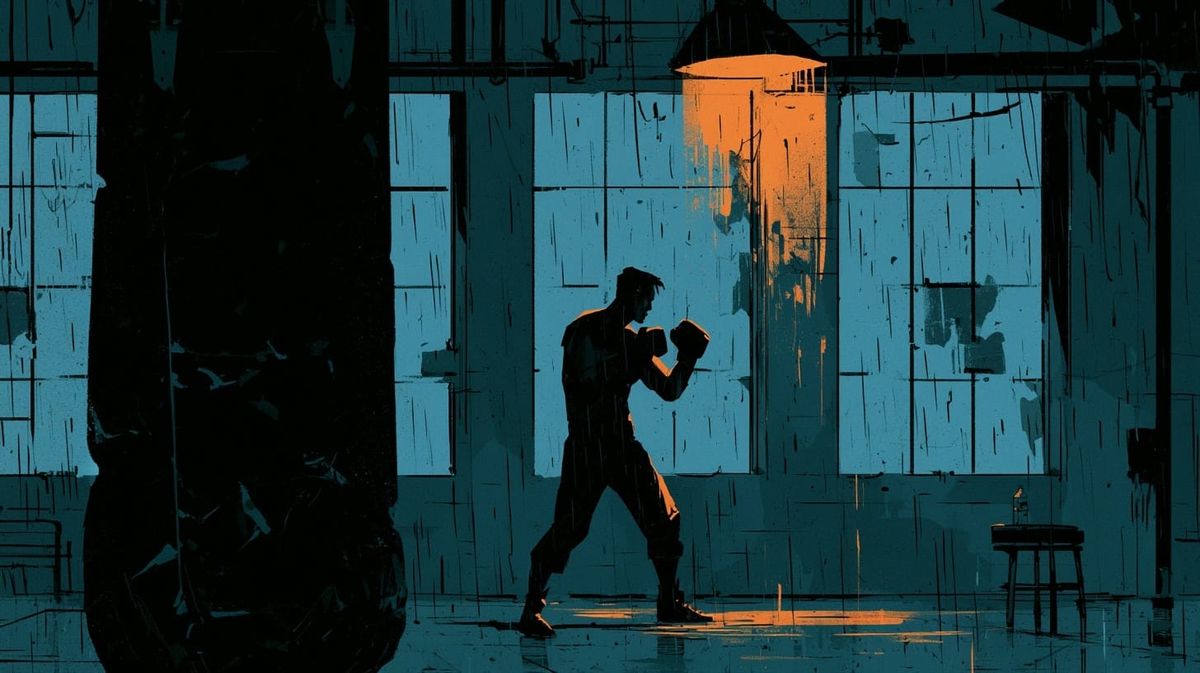
Three hours a night. Four nights a week.
An hour of kung fu. An hour teaching kickboxing. An hour of free sparring with whoever was left standing.
I loved catching a heel to the sternum. I loved fighting until my arms flatly refused to come back up. I loved getting punched upside the head — not in a broken way, but in the way that snaps you into the present tense. That reminds you you're real.
Mark Manson makes an argument in Everything is F*cked that's been living rent-free in my head for a while: we've spent decades engineering away pain. Not just physical pain — discomfort, uncertainty, hurt feelings, injustice, the gnawing sensation of not being in control. And the result isn't safety. It's brittleness. It's cancel culture and political extremism and, in our particular corner of the universe, engineering teams so risk-averse they'll spend three months in research mode before writing a single line of code.
I used to wonder why so many managers were reluctant to trust their teams. So allergic to transparency. So uncomfortable not knowing the answer, or not being the smartest one in the room, or letting a decision happen without their fingerprints on it.
I stopped wondering.
It's the pain. Fear of the pain. Pain of being wrong. Pain of feeling useless. Pain of being judged by leadership. Pain of watching chaos unfold and knowing you can't stop it.
Here's what I've learned:
🧠 We Built a Culture of Flinching
Fragility doesn't announce itself. It shows up as process.
Every extra layer of approval, every "let's align before we move forward," every decision that gets punted up the chain is a flinch dressed up as diligence. It's an organization that learned, somewhere along the way, that pain is bad and avoidance is professional.
The problem isn't that managers are weak. Most of them are smart, experienced people who've been burned. They learned that mistakes have consequences. That being wrong in public is costly. That the safest move is the slowest one.
And so the culture absorbs the lesson.
Junior engineers watch. They internalize: don't ship until you're sure. Don't decide until you've aligned. Don't move until you know you won't get hit.
Now you've got an org full of fighters who've never been in a fight.
🥊 What This Looks Like in Practice
It looks like a team that wants to spend four months in discovery before writing code. Not because the problem is that hard — because the possibility of being wrong is that terrifying. Paralysis cosplaying as rigor.
It looks like:
- Incident post-mortems that read like criminal indictments
- Regression trackers keeping score of every production scrape like a federal offense
- Security trainings so repetitive they've become performance art
- Architects who produce 40-page design docs and never hit merge
Who keeps count of every scraped knee since birth and writes a quarterly report on how we're not being careful enough?
Nobody shipping anything, that's who.
The irony is brutal. We built all of this in the name of quality. And what we actually built is an environment where people are more afraid, not less. Where every mistake is a referendum on your competence. Where culture punishes action and rewards the appearance of caution.
That's not safety. That's a fight gym where no one is allowed to spar.
🏋️ You Train to Take the Punch, Not Avoid It
Here's what I know from years of training people: flinching is the enemy.
Not because it's weak. Because it's trained. Flinching is your body's learned response to anticipated pain — it takes you off balance, kills your form, and makes the hit worse. The goal of good training isn't to teach you not to feel pain. It's to teach you to stay present through it.
I'd spend hours on this. Slow punches at a student's face. Over and over until the flinch went away. Until they could take the hit — or slip it, or roll with it — with their feet planted and their hands up.
That's the skill. Staying functional under pressure.
We wore gloves. We wore mouthguards. Nobody was trying to recreate Bloodsport. But you work in pain. You get hit, you note what happened, you adjust, you go again. The lesson only exists in the aftermath of contact.
The same lesson applies to engineering.
A team that never ships a bad deploy doesn't learn how to recover from one. A team that never makes a hard call without perfect information doesn't build the instinct for it. You can't analyze your way to reflexes. You can't document your way to resilience.
Pain is the teacher.
Action is the prerequisite.
There is no shortcut through the rep.
⚔️ Anti-Fragile Is the Wrong Frame
Nassim Taleb's anti-fragile concept gets cited a lot in engineering circles. Mostly wrong.
Anti-fragile means the system gains from disorder. Fine theoretical ideal. But it's not what most teams need, and chasing it creates chaos tourists — teams that manufacture volatility because they've confused drama with growth.
What most teams need is durability. The ability to take a hit and keep functioning. Not emerge stronger every time like some kind of Saiyan training arc — just not collapse. Ship despite uncertainty. Recover without six weeks of retros. Learn without the learning becoming a monument to the mistake.
What that actually looks like:
- 🔧 A deployment pipeline that recovers fast, not one that never fails
- 🗣️ A culture where a bad decision gets named, fixed, and moved past — not prosecuted
- 🚀 Engineers who can push to prod on a Friday without needing a therapist on standby
- 🙋 Managers who can say "I don't know, let's find out" without it being a career event
Build systems resilient enough to absorb the hit.
Build culture safe enough that people are willing to take one.
Those are different problems. Both are yours to solve.
The Punch Is Already in the Air
AI is going to hurt some people.
Not metaphorically. Roles will change. Skills will deprecate. Things that used to take a week will take an hour, which means the people who took a week are going to have an identity crisis on top of a job crisis.
That's the punch. It's mid-flight. You can see it coming.
The teams that spent years building fragile cultures — where mistakes are catastrophized, where uncertainty is managed through paralysis, where the entire goal is to never get hit — those teams are going to flinch. Hard.
The teams that learned to work in discomfort, ship imperfectly, recover fast, and stay functional under pressure? They're going to be fine. Not because they're smarter. Because they've been hit before.
You don't build that overnight. You build it by scraping your knee and not writing a report about it. By deploying on Friday and figuring it out. By letting your engineers make the call and backing them when it goes sideways.
Pain isn't the problem.
Flinching is.
Get hit. Adjust. Get back up. That's the whole curriculum.
Engineering culture's fear of pain didn't make us safer. It made us slower, more fragile, and less ready for the fight that's already started.
Stop flinching.